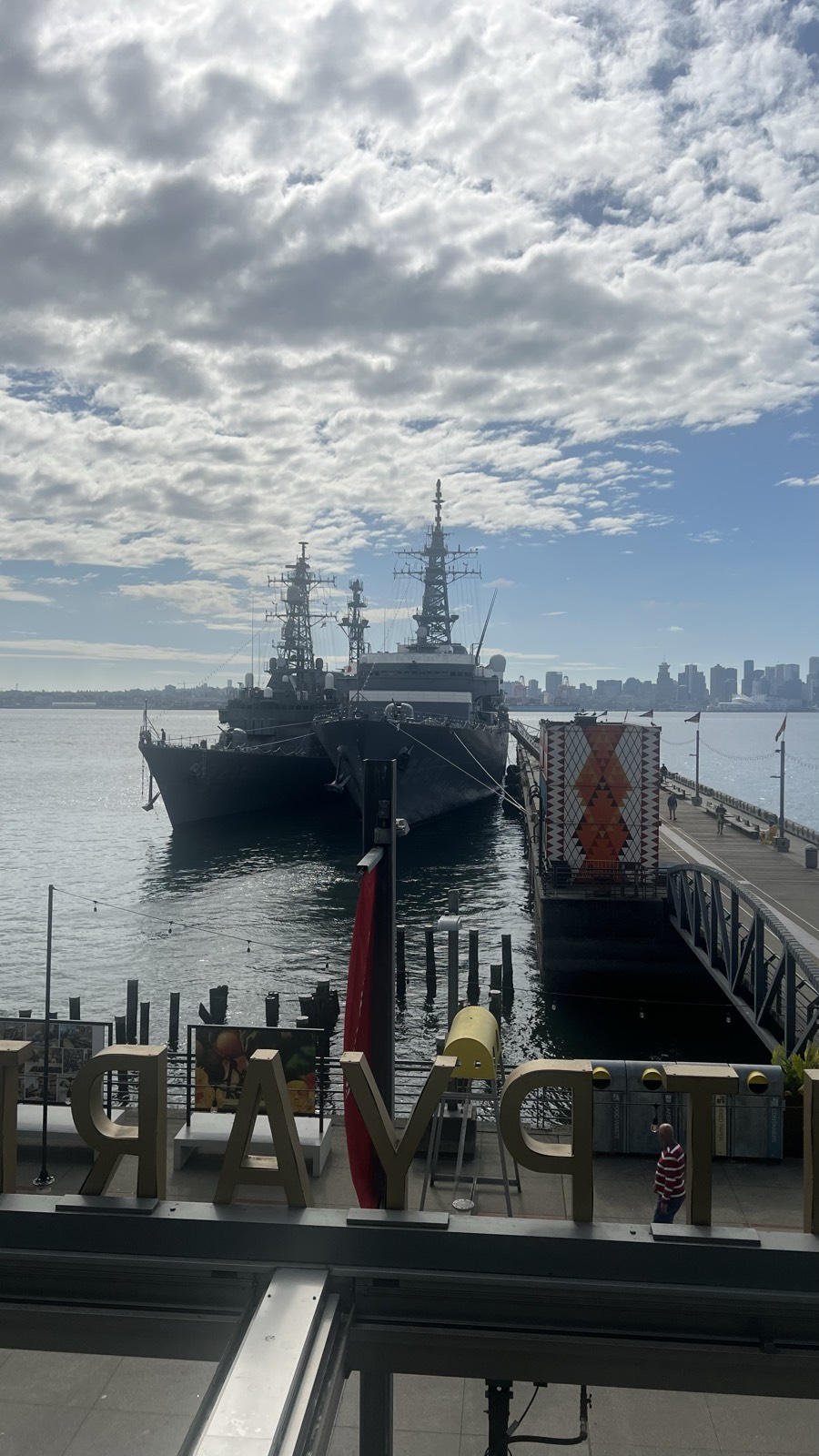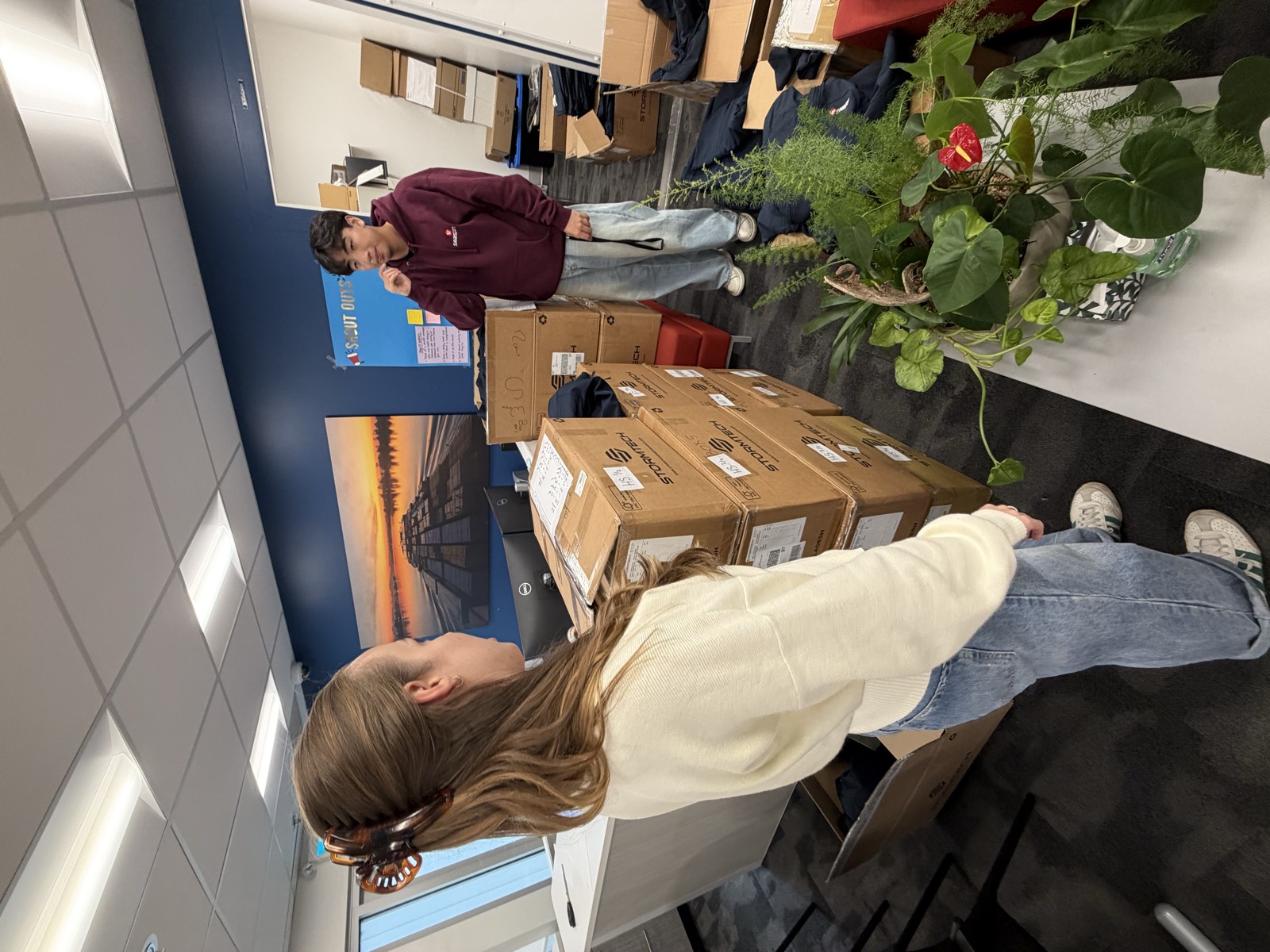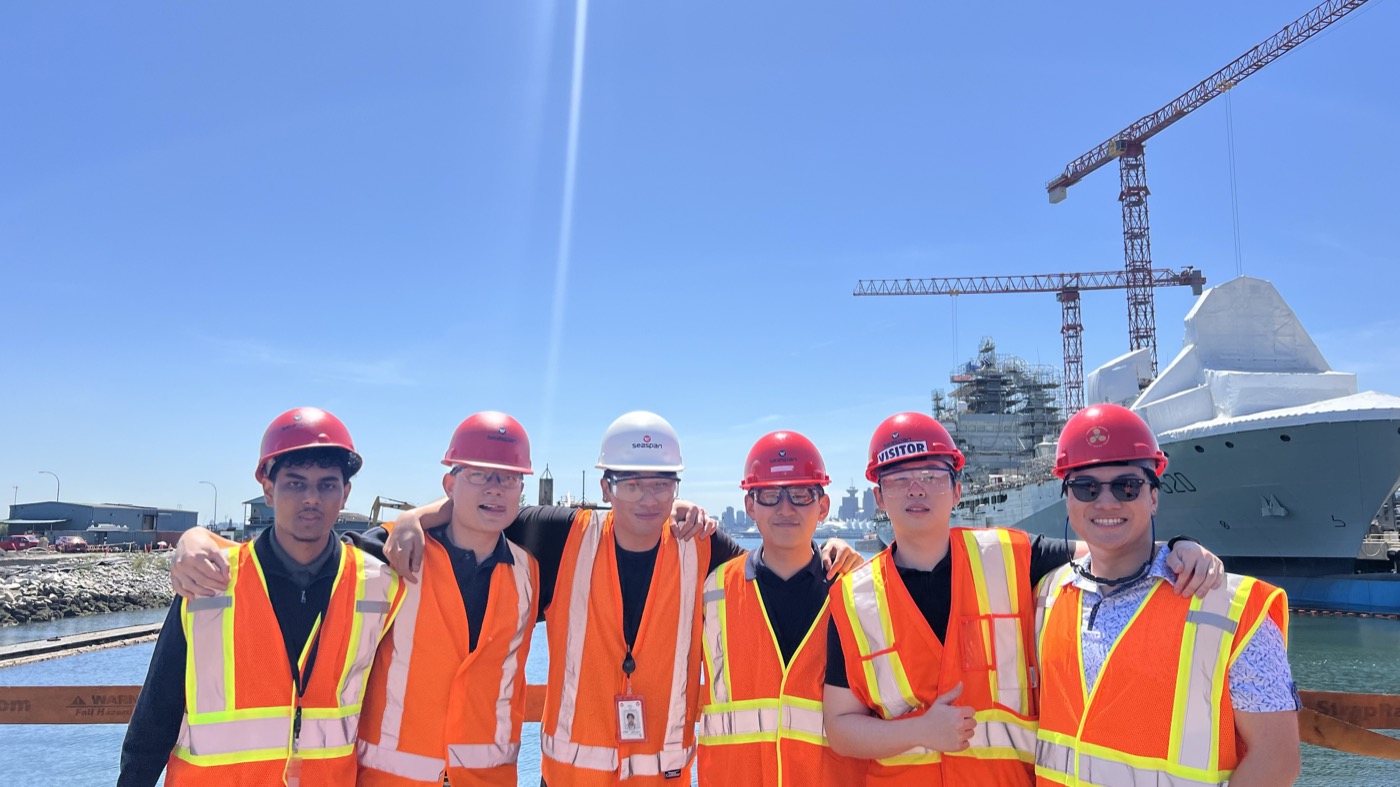
I'm currently an FP&A Analyst Intern at Seaspan. I own the weekly cash flow cycle, helped build the 2027 budget, and support the forecasting and reporting that goes up to the CFO and the Board, all while Seaspan moves onto Oracle, one of the largest ERP transitions in Canada.
Highlights
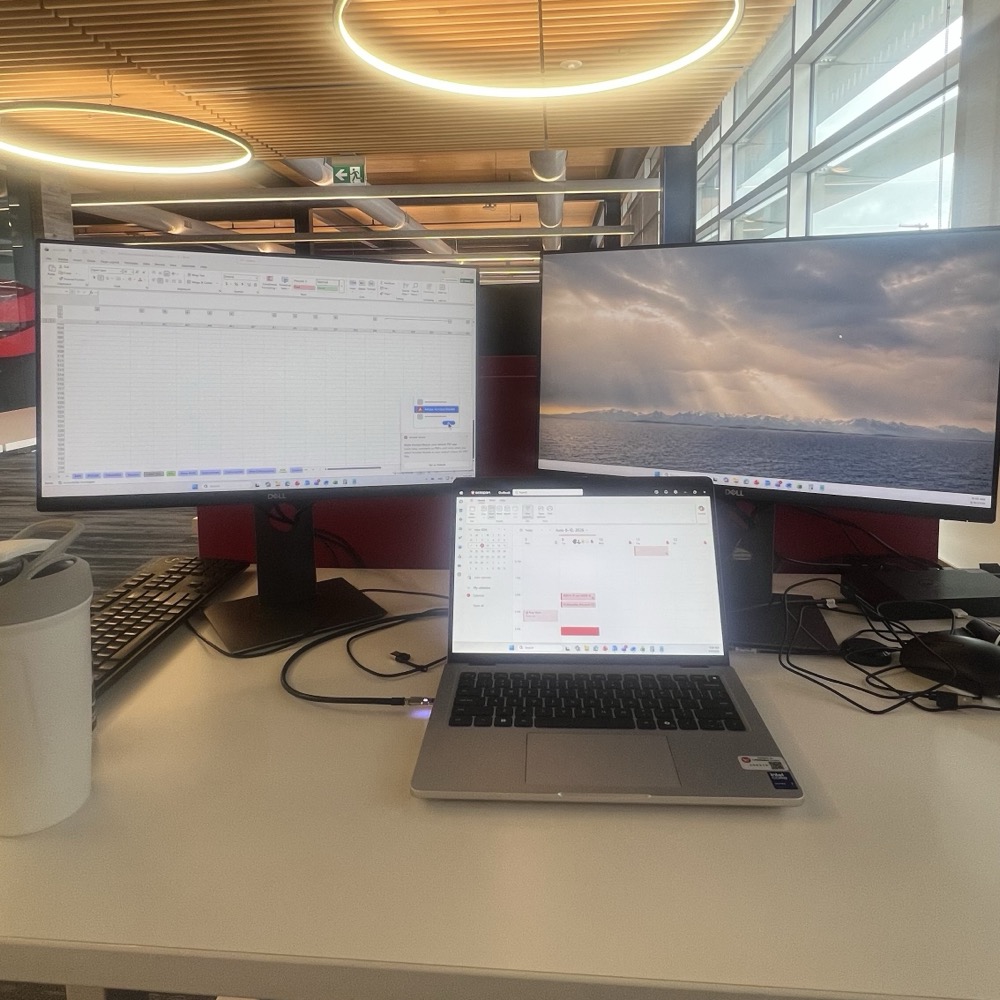
- Cash flow is my baby at Seaspan. When the FA2 who owned it left the company, I took over the 13-week rolling forecast of AP and AR, and quickly learned what a poorly maintained legacy file looks like. Every week I consolidate 6,000+ invoices from billing and SAP BI into AP and AR totals across our 3 shipyards and 5+ programs, working with the AP, AR, treasury, billing, and program finance teams, then take the AP release through approval with the Controller, VP Finance, and CFO.
- The process started out almost entirely manual: hardcoded pastes, a long weekly email of invoices to the billing team, and a Monday spent checking their replies one by one. I replaced the email with a shared file on Teams that feeds our AP file through XLOOKUP and LET formulas, then tied the consolidated file to the AP, AR, treasury, and prior-week numbers with lookups. Using Power Query, PivotTables, formulas, and slicers, 20+ files across billing, treasury, and program finance now update on a refresh, which cut the cycle from 5 days to 3.
- I also contributed to Seaspan's Oracle ERP transformation, one of the largest ERP transitions in Canada. When our invoice list changed format, I learned the new mapping, automated a weekly Oracle download into the AP file, and matched each invoice to its project and the chart of accounts so unbillable costs are flagged automatically (IF and IFNA). Before go-live came a blackout period where invoices had to be paid 4 weeks ahead, so we worked with the billing team against a forecasted AP limit to decide what could be released before taking it to the VP Finance.
- For the 2027 budget, I worked across the three big pieces: headcount, labour hours, and department costs. For the Board deck, I pulled income statement numbers for the profitability graphs, built headcount waterfall charts, calculated FTEs from labour and production hours, consolidated slides from program finance and capex, and wrote the commentary on OH&GA variances between the 2027 budget and the 2026 forecast.
- Alongside the budget, I helped track cost-saving opportunities across 20+ departments, including an intern headcount initiative. Each department received an allocated number of interns, and I worked with the department owners to confirm their counts, tracked which roles would continue into 2027, followed up with the CFO on requests for more, and delivered the final intern list for the budget. I also calculated the roll-offs from Project Horizon, the team behind the Oracle move, as people returned to their previous roles.
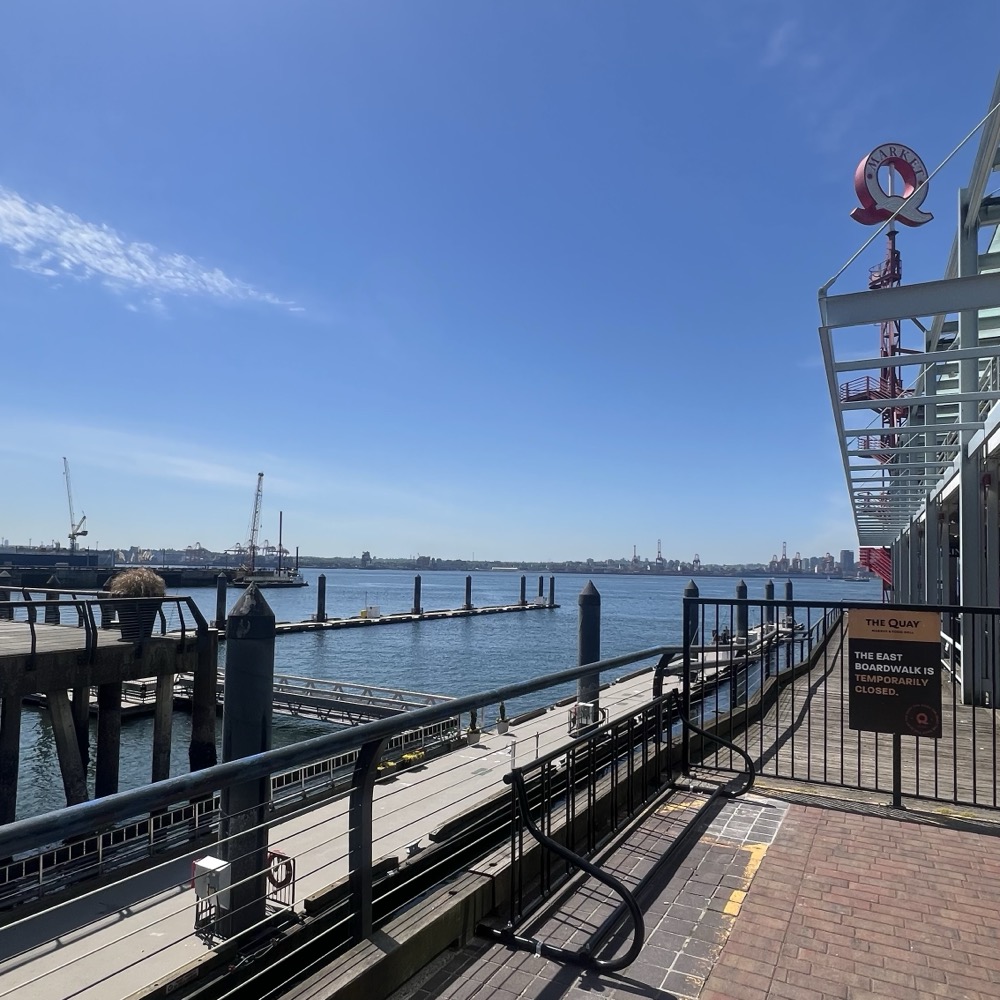
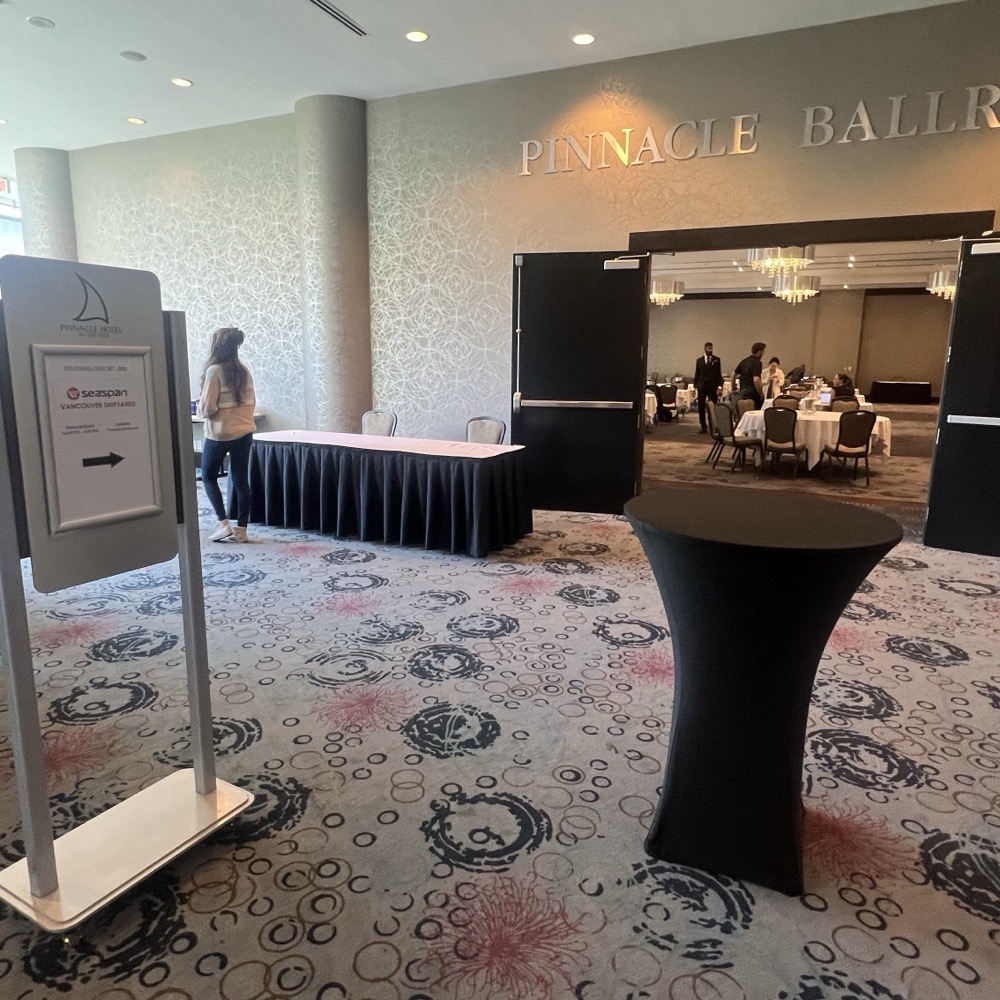
- One of my most memorable moments was the CFO Town Hall in North Vancouver. I worked on a 14-year income statement forecast spanning 2027 to 2040, running scenario and sensitivity analysis on inflation, project-win probability, and best and worst cases to support the CFO's capital investment initiatives across 10+ contract opportunities. Seeing my slide presented by Seaspan's CFO, James Clarke, was a highlight, even if most of this work is appreciated in silence.
- One of my first projects was the 5+7 forecast: five months of actuals and seven months forecast. I compared January to May actuals against budget, number-checked presentation material against our files, sat in on meetings with budget owners, and uploaded the forecast to E1. When the work picked up in June and the asks started stacking, I started taking notes, recording our team meetings, and confirming asks in 1-on-1s. It taught me how much organization and accountability matter.
- Every month I run the OH&GA variance analysis across 30+ departments and the month-end variance analysis on the program-level P&Ls for all 3 shipyards, identifying the drivers behind budget-to-actual differences and validating balance sheet figures, ROIC, and other key performance metrics before they reach CFO and Board reporting.
Skills & Tools
- Excel
- Power Query
- Power BI
- DAX
- Tableau
- SAP BI
- Oracle ERP
- FP&A
- Financial Modeling
- Scenario & Sensitivity Analysis
- Variance Analysis
- Cash Flow Forecasting
- Cost Allocation (OH&GA)
- Process Automation
- Data Modelling
Seaspan Open House
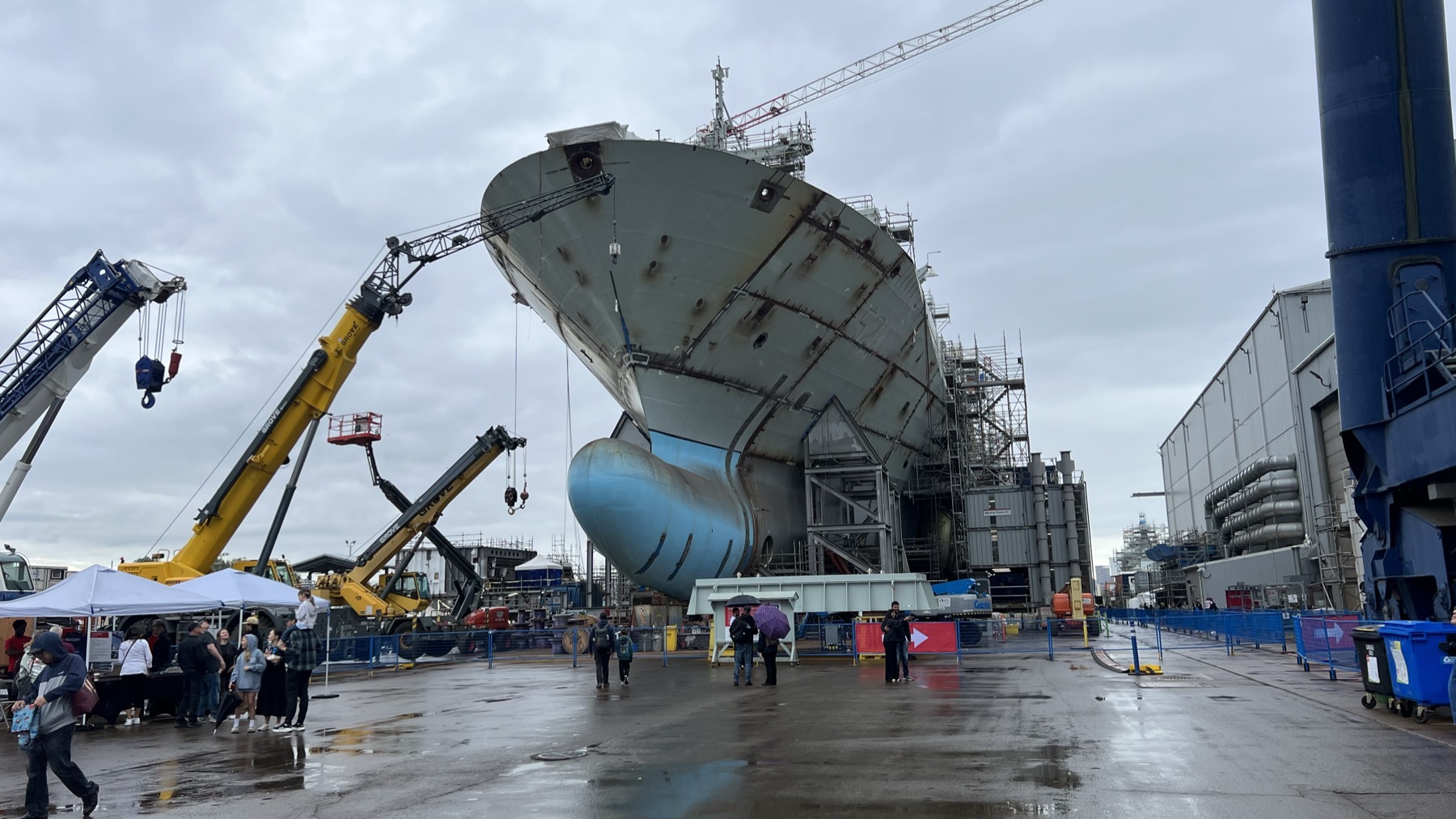
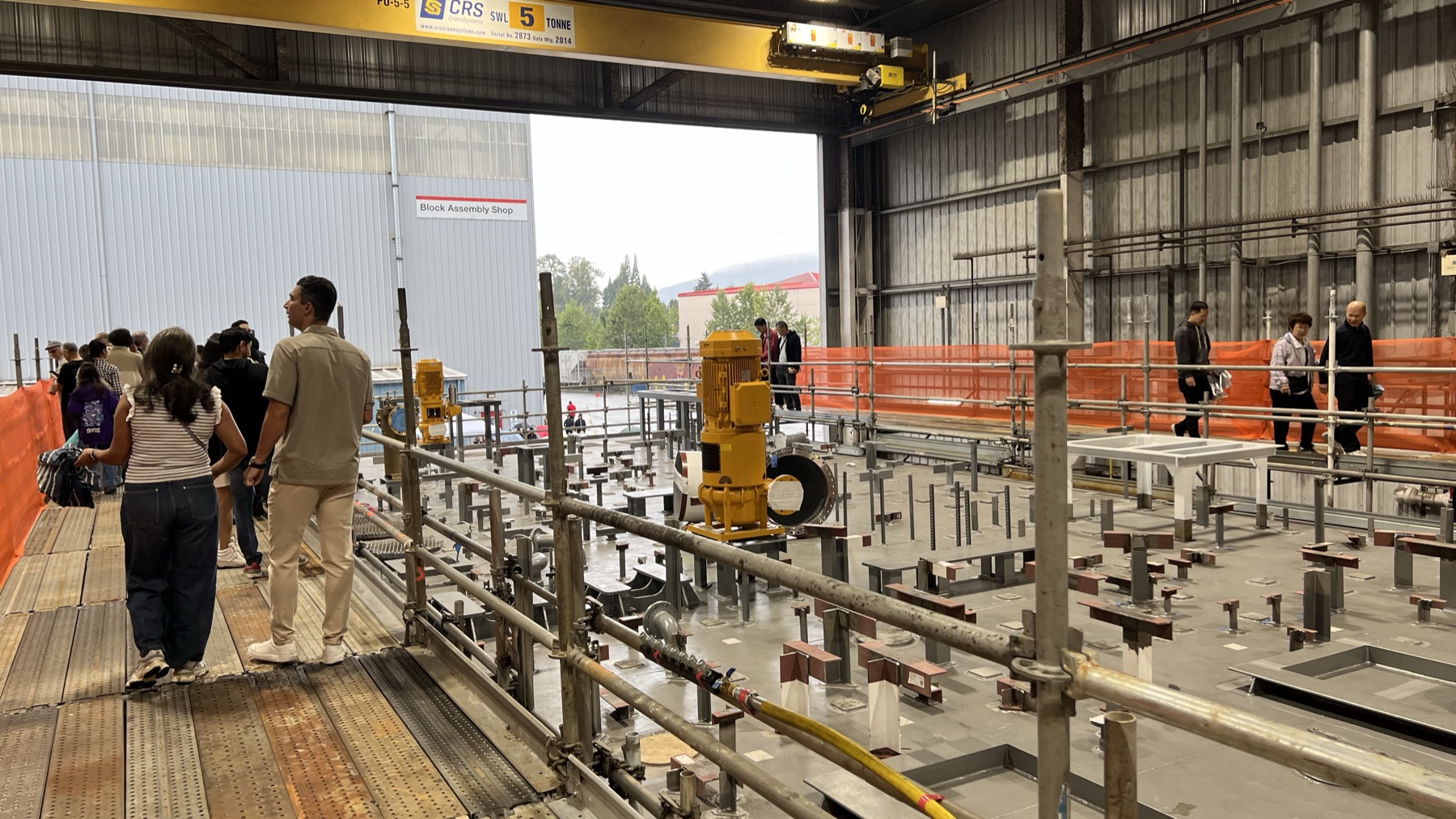
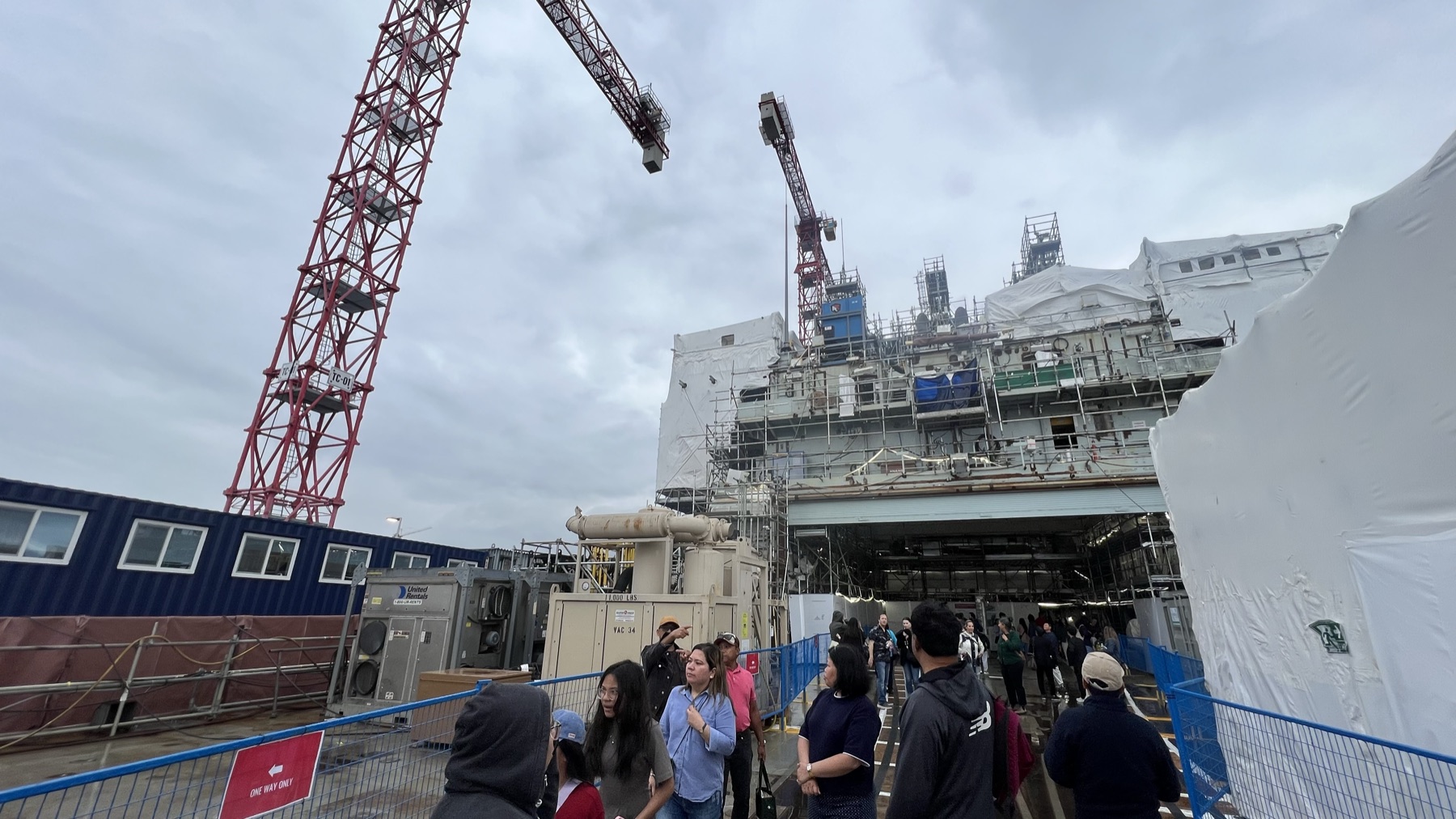
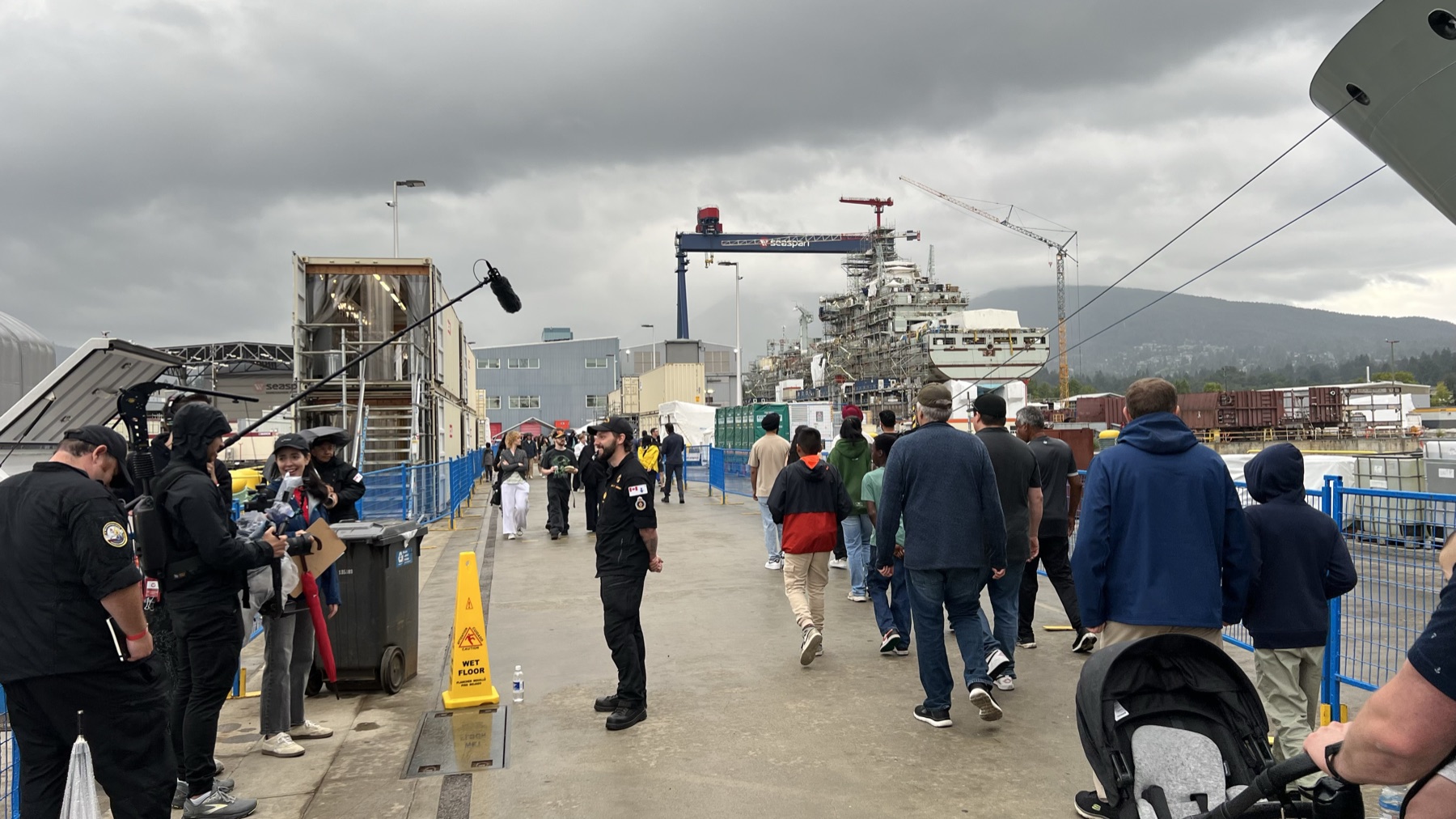
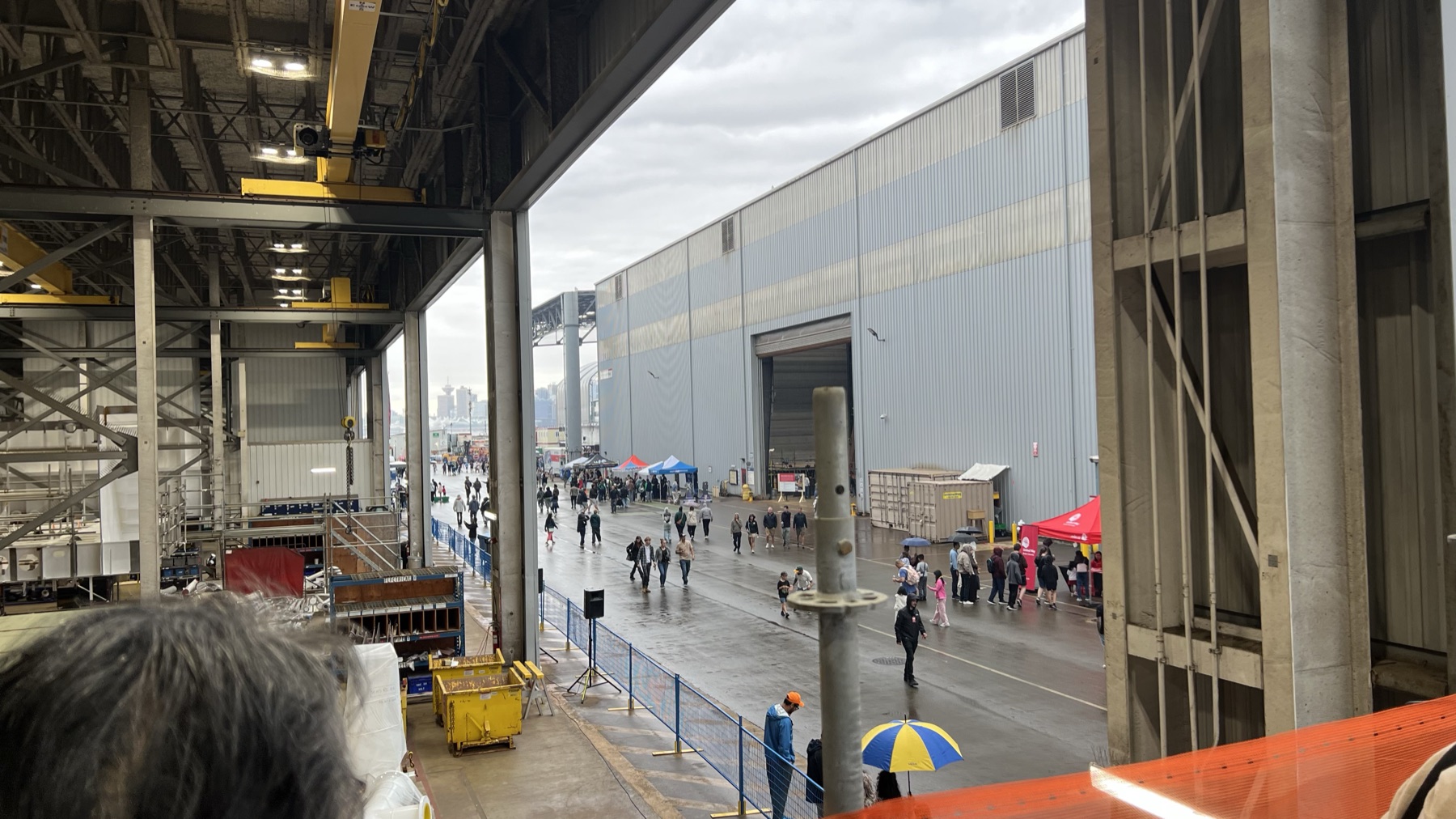
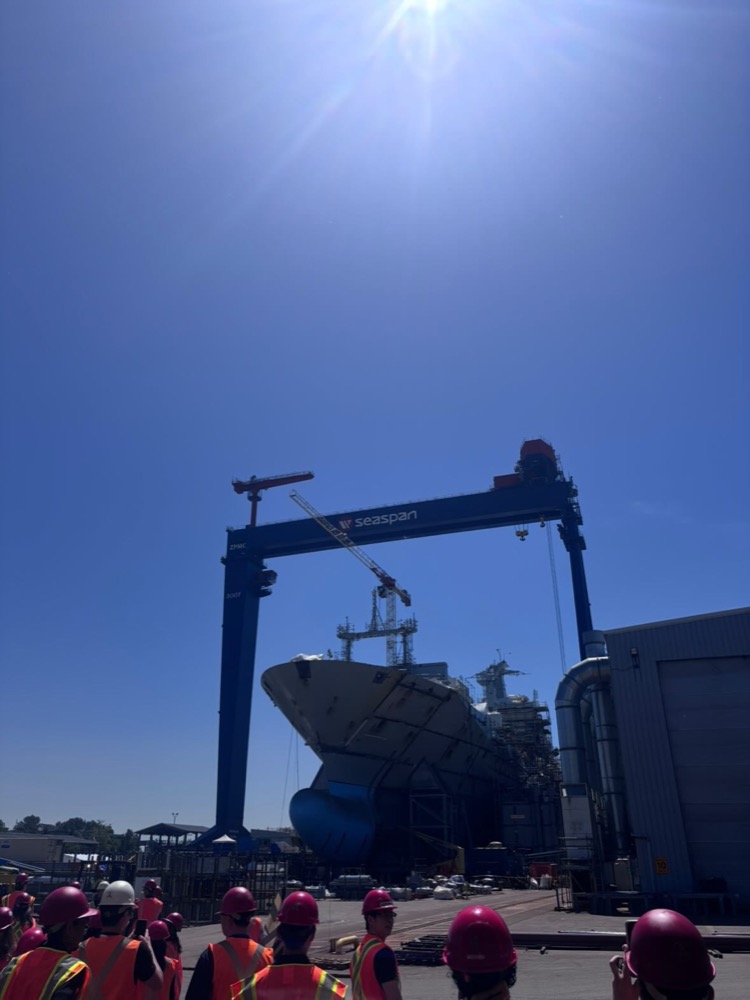
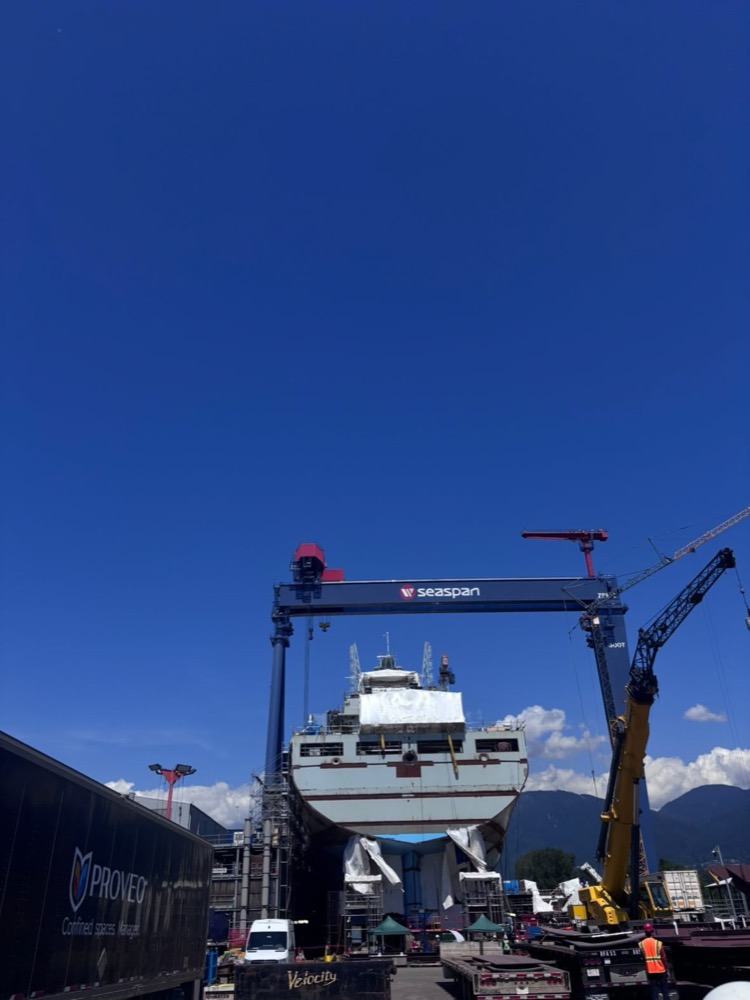
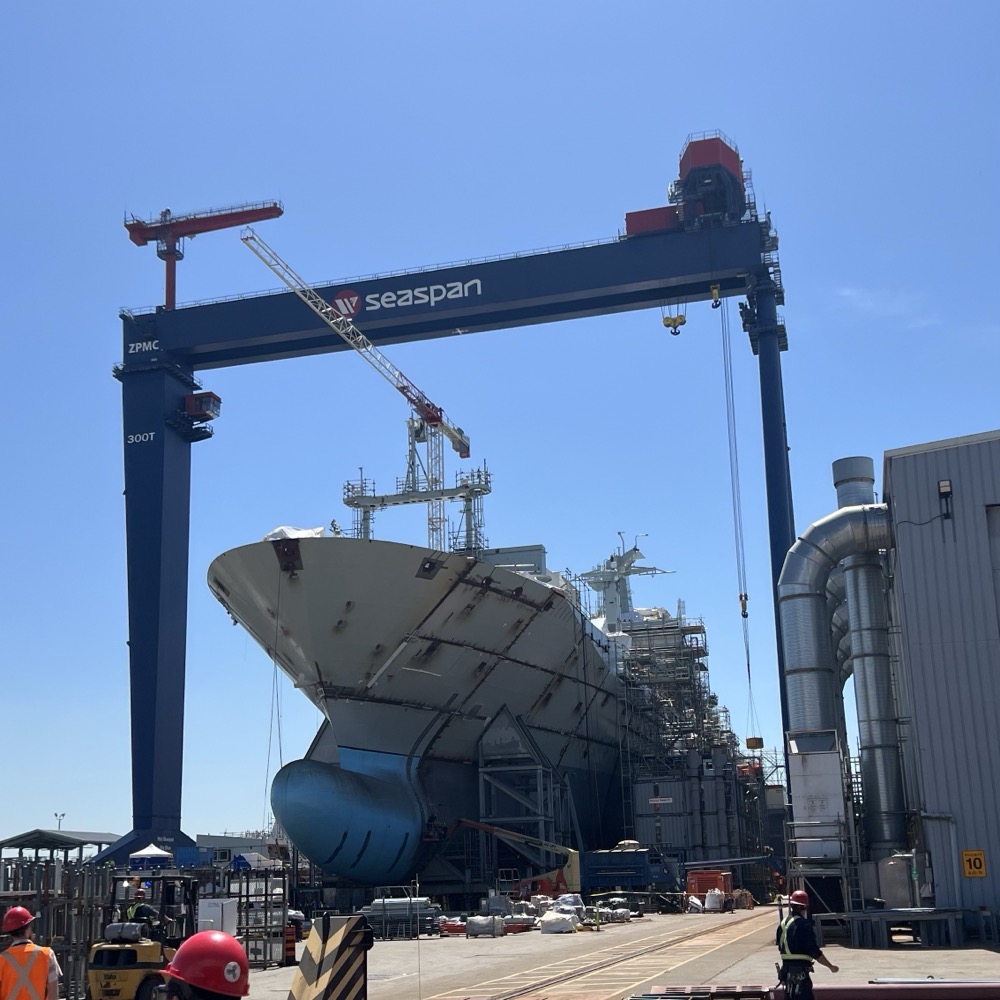
I attended the Seaspan Open House where I was able to tour the yard and see the vessels being built in progress, along with the different stages of construction!
The highlight for me was getting to see JSS1 up close. It's the first Joint Support Ship we're delivering to the Royal Canadian Navy, and it's set to launch in December 2026. Standing next to it, you get a sense of scale that never really comes across in a spreadsheet.
Honestly, seeing the ship and all the different stages of construction changed how I read the numbers I work with. Before this, the program was mostly a set of balance sheet and income statement line items to me. Now I picture the actual ship behind them, and the people building it.